Seamless Botanical Flower Patterns for Modern Design
There’s a distinct quality to a design asset that feels both organic and meticulously structured. Seamless Botanical Flower Patterns occupy that sweet spot, offering a visual language that’s inherently elegant, calming, and rich with natural detail. These aren’t just random floral motifs; they are carefully crafted digital papers designed to integrate flawlessly into a wide array of projects, providing a foundation of sophisticated texture and life. The personality of this collection is one of refined versatility—it can whisper softly as a background or speak confidently as a central design element.
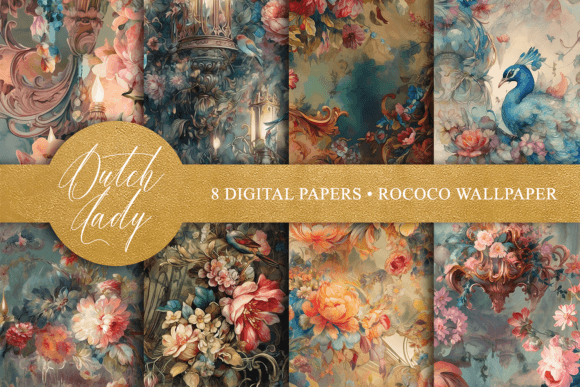
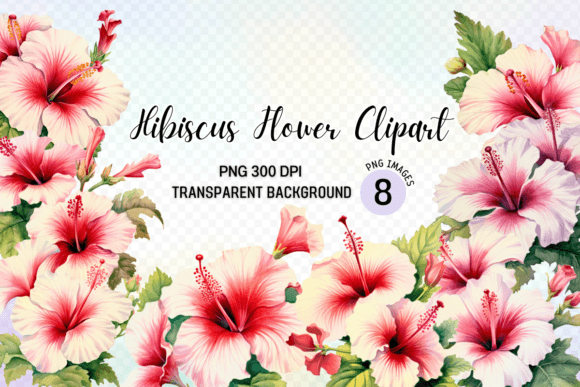
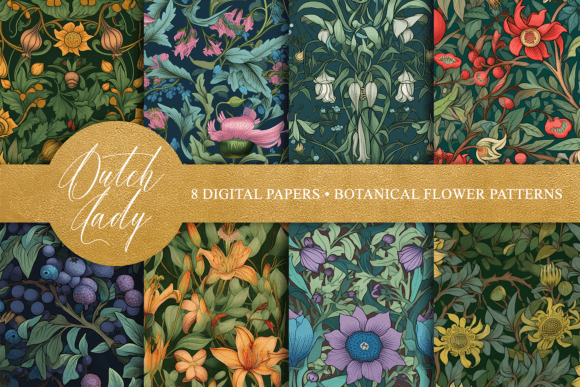
Visually, the appeal lies in the balance. The patterns feature a curated mix of delicate blossoms, intricate leaves, and flowing vines, all composed with an eye for rhythm and negative space. The color palette is likely a harmonious blend of soft pastels, earthy tones, and perhaps a few deeper accents, ensuring the patterns feel timeless rather than trendy. This style bridges the gap between classic botanical illustration and contemporary surface design, making it a powerful tool for creators seeking to inject organic warmth into digital and physical spaces.
Where These Digital Papers Truly Shine
The real-world applications for a high-quality set like this are extensive. For graphic designers and brand strategists, these patterns can become the cornerstone of a brand identity. Imagine a boutique hotel’s stationery suite, a wellness brand’s packaging, or a wedding invitation business—all could use a subtle botanical pattern as a consistent brand texture, adding a layer of tactile sophistication and recognition.
In the realm of digital publishing and content creation, the uses are equally practical. As a web design element, a seamless pattern can create an engaging website background that doesn’t compete with text but enriches the user experience. For social media graphics, these papers can serve as a beautiful base for quote cards, promotional posts, or Instagram Stories, giving your feed a cohesive and professional aesthetic. Bloggers and online publishers can use them to design custom headers, sidebar graphics, or even downloadable PDF guides that feel premium and thoughtful.
For crafters, hobbyists, and small business owners, the physical product potential is vast. Because the files are high-resolution (300dpi) and large-format (3600x3600 pixels), they are perfectly suited for print-on-demand services. You can confidently apply these botanical designs to wall art, throw pillows, coffee mugs, apparel, and fabric. The seamless tileable nature means the pattern will repeat without visible seams, ensuring a professional finish on any product. This makes them a valuable asset for anyone looking to create a line of coordinated home decor or lifestyle products.
The Strategic Impact on Visual Communication
Choosing the right design elements goes far beyond mere decoration; it’s a strategic decision that influences perception. A pattern like this can significantly affect the visual hierarchy of your layout. Used as a background, it establishes a mood and context, allowing your primary typography and imagery to stand in clear relief. The key is understanding contrast and scale—a dense, vibrant pattern might work for a poster, while a lighter, more diluted version is better for a website background where readability is paramount.
From a brand perception standpoint, botanicals communicate specific values: growth, care, authenticity, and elegance. For a brand identity, consistently using a signature pattern across touchpoints builds recognition and professionalism. It tells your audience you pay attention to detail. This is where a premium font or typeface pairing comes into play. A clean sans serif font can provide a modern counterpoint to the organic flow of the pattern, while a refined serif font can enhance its classic appeal. For a more personal touch, a script font or handwritten font could be used sparingly for headlines, but legibility must always be the priority.
Practical Guidance for Implementation
Before diving in, a practical assessment is crucial. First, evaluate the project fit. Does the pattern’s color scheme align with your existing brand palette or project goals? If not, you’ll need image editing software to adjust the hue, saturation, or contrast. This is where understanding your tools is essential, as JPEG files are flat and not layered—you can’t isolate a single flower to move it, but you can apply global color corrections or overlays.
Next, consider font pairing and readability. Test your chosen typefaces against the pattern. If the background is busy, opt for bolder, simpler typography with solid color blocks behind text to ensure clarity. For editorial design or packaging design, you might use the pattern as a full bleed on the back cover or inside flap, keeping the primary text areas clean. Always print a test sample or view it at 100% zoom on screen to check for visual noise and readability.
Finally, review the licensing. This set from The Dutch Lady Designs is intended for both personal and commercial use, which is a significant advantage. This means you can legally use these patterns in products you sell, whether digital or physical, without worrying about additional fees or attribution. This clarity is vital for entrepreneurs and small business owners building a product line.
In essence, Seamless Botanical Flower Patterns are more than just pretty pictures. They are versatile design assets that, when used thoughtfully, can elevate the professionalism, emotional resonance, and cohesion of nearly any creative project. The key is to experiment, test, and apply them with intention, always keeping the end-user’s experience and your project’s core message in mind.